Peptide Reconstitution: A Research Handling Primer
Why lyophilized compounds require careful reconstitution, and how bacteriostatic water fits in.
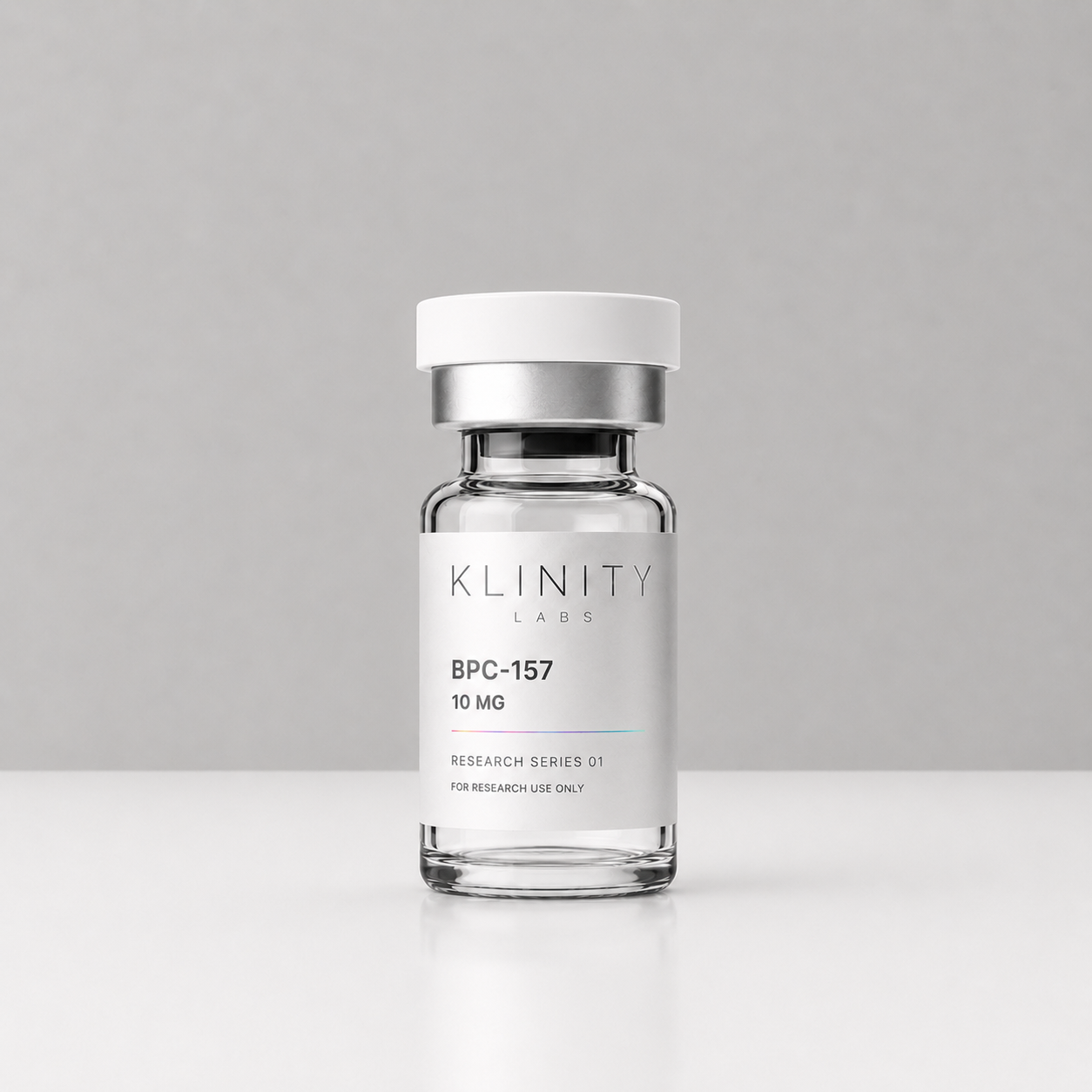
Most research peptides are shipped in a lyophilized, or freeze-dried, state. Removing water extends shelf stability and protects the delicate peptide structure during transport. Before the compound can be used in laboratory work, it must be returned to solution — a step known as reconstitution.
Reconstitution is simple in principle but unforgiving of carelessness. The following notes describe standard laboratory handling practice for research documentation purposes only.
Choosing a Diluent
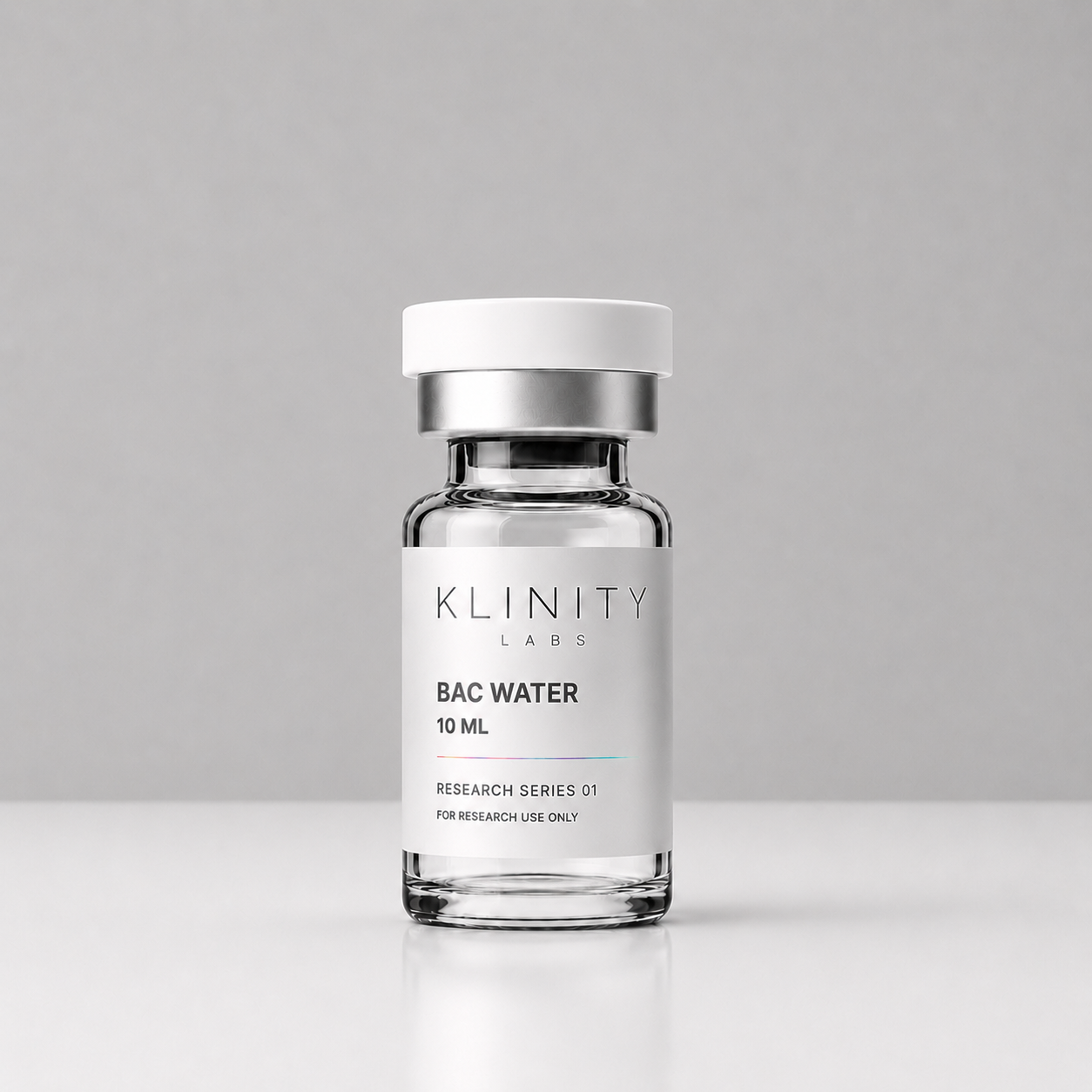
Bacteriostatic water — sterile water containing 0.9% benzyl alcohol as a preservative — is the common diluent for multi-draw research vials because the preservative limits microbial growth across repeated access. Sterile or plain water may be specified for single-use scenarios. The correct diluent depends on the research protocol being documented.
Adding the Diluent
The diluent should be introduced slowly, directed against the inside wall of the vial rather than sprayed directly onto the peptide powder. The vial is then left to dissolve on its own or swirled gently. Peptides should never be shaken vigorously, as mechanical agitation can disrupt the molecular structure.
The volume of diluent added determines the resulting concentration. A reconstitution calculator removes the arithmetic: enter the vial's fill weight and the volume of water, and the tool reports the concentration per unit volume.
Storage After Reconstitution
Once in solution, most peptides are stored refrigerated at 2–8°C and used within a defined window, often around 30 days. Lyophilized material, by contrast, is typically stored frozen at -20°C. Always defer to the storage guidance published for the specific compound and batch.
This article is educational and informational only. It does not constitute guidance for the use of any compound. All Klinity Labs compounds are supplied for laboratory research use only.